E-commerce Development: a practical approach for Ooty, Tamil Nadu
Ooty, also known as Udhagamandalam, has visitor-led and product-led businesses that need current information, strong visual trust, and simple booking or buying paths. Good execution makes a complex offer easier to understand while keeping response, ownership, and measurement practical for the team.
Customers expect clear catalogues, confidence at checkout, fast mobile journeys, and accurate post-purchase communication. NextDNA uses this problem as the starting point, then recommends only the content, experience, technology, and promotion needed to support a credible decision journey.
What a focused scope can include
The exact plan is confirmed after discovery. For this audience, useful priorities may include the following:
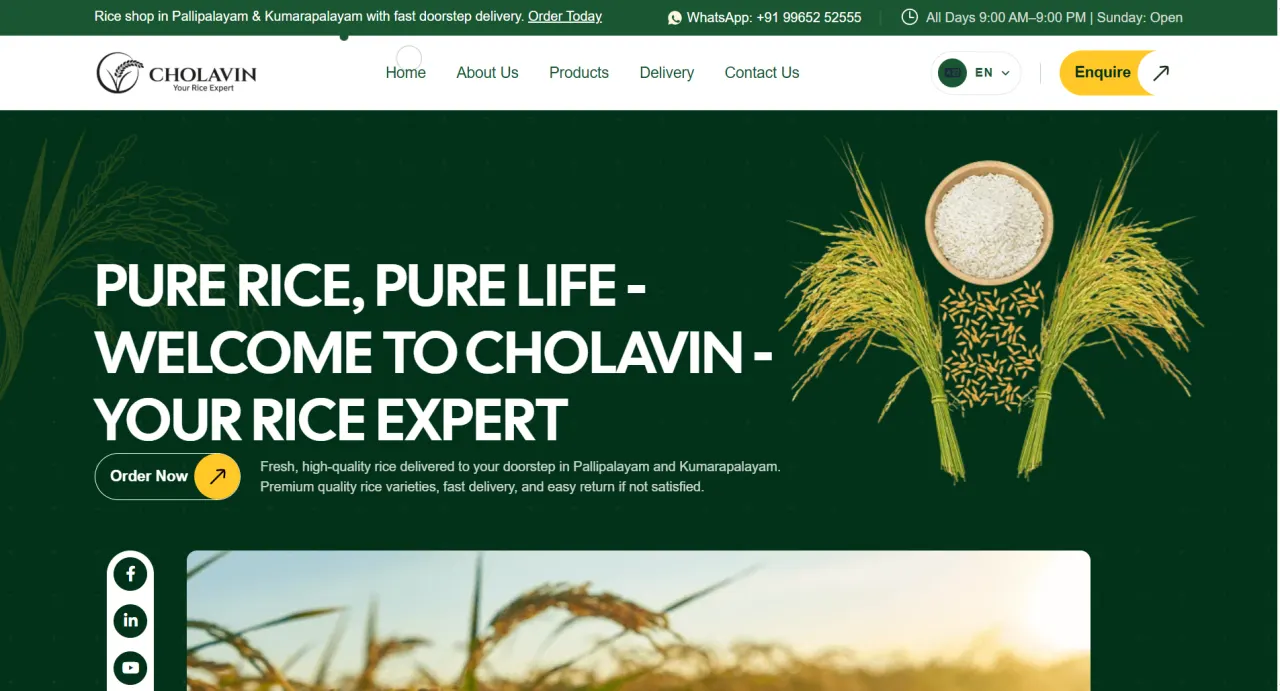
- Catalogue architecture: Categories, filters, product information, search, and merchandising planned around buying behaviour.
- Commerce journey: Cart, checkout, payment, enquiry, and account flows designed to reduce avoidable friction.
- Operations integration: Practical connections for inventory, shipping, tax, notifications, or internal workflows where required.
- Measurement setup: Product, checkout, transaction, and campaign events prepared for useful reporting.
Connecting local demand to useful customer journeys
Local relevance should add practical value rather than simply replace a city name. The page, campaign, or product must reflect who is buying, what evidence they need, and how the business can respond. Examples for this market include:
- Organise products or trade offers for hotels and homestays with clearer discovery, purchase, or quote journeys.
- Organise products or trade offers for tea businesses with clearer discovery, purchase, or quote journeys.
- Organise products or trade offers for tourism and wellness brands with clearer discovery, purchase, or quote journeys.
Content priorities should reflect the language used by hotels and homestays while giving tea businesses enough detail to make a confident next decision. The experience for tourism and wellness brands should reduce avoidable back-and-forth while still collecting enough context for a responsible response. The resulting scope can then be reviewed against user usefulness, operational fit, and a measurable business action.
A transparent delivery process
- Align people and evidence: Bring business owners, customer insight, available assets, data, and operational realities into one brief.
- Make deliberate choices: Prioritise the few messages, journeys, features, and measures that the first phase must execute well.
- Build and verify: Create the experience, test content and workflows, and resolve issues across relevant screens and user roles.
- Learn from use: Combine behavioural data with enquiry, sales, service, or adoption feedback before changing the plan.
How progress is evaluated
Reporting should connect activity to business decisions. Relevant indicators can include product-view engagement, add-to-cart rate, checkout completion, and revenue or qualified trade enquiries. Baselines, data quality, sales feedback, and review frequency are agreed before conclusions are drawn.
An online store cannot guarantee sales by itself; product demand, pricing, trust, traffic acquisition, fulfilment, and customer service remain important. NextDNA therefore sets measurable priorities, documents assumptions, and reports what the evidence supports.
Plan the next step with NextDNA
If you are evaluating e-commerce development in Ooty, Tamil Nadu, share the audience, challenge, desired action, assets, and timeline constraints. NextDNA will recommend a practical first scope and explain what should be handled now, later, or not at all. Request a tailored proposal.