Digital Marketing: a practical approach for Dindigul, Tamil Nadu
Dindigul businesses can address very different buyer needs, so the digital plan should make products, services, locations, and next steps unambiguous. Before choosing channels or features, the team needs agreement on the audience, problem, proof, next action, and owner.
Activity across many channels creates waste when the audience, offer, content, tracking, and follow-up are not aligned. NextDNA uses this problem as the starting point, then recommends only the content, experience, technology, and promotion needed to support a credible decision journey.
What a focused scope can include
The exact plan is confirmed after discovery. For this audience, useful priorities may include the following:
- Demand and audience plan: Priority segments, buyer questions, offers, and channel roles defined before campaigns begin.
- Campaign and content system: Landing pages, creative themes, paid and organic activity, and practical publishing workflows.
- Conversion journey: Forms, calls to action, lead routing, and follow-up expectations connected to each campaign.
- Reporting framework: Channel, campaign, and conversion data organised around decisions rather than vanity metrics.
Connecting local demand to useful customer journeys
Local relevance should add practical value rather than simply replace a city name. The page, campaign, or product must reflect who is buying, what evidence they need, and how the business can respond. Examples for this market include:
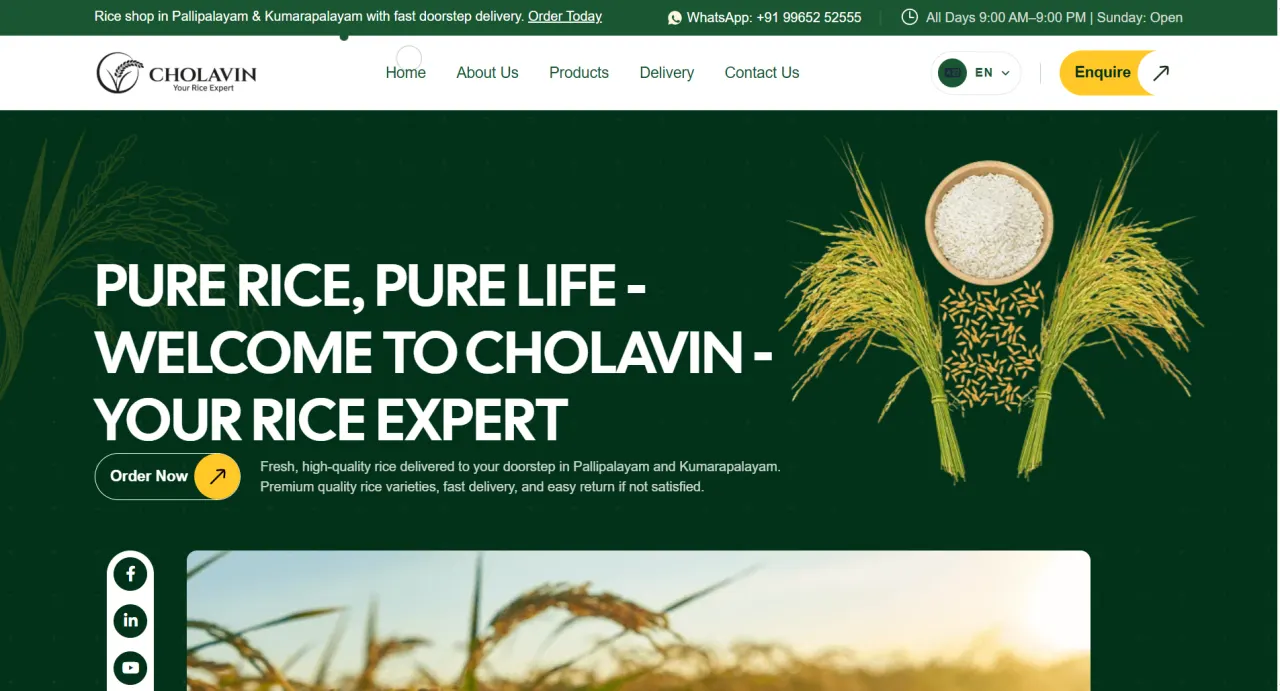
- Connect agri businesses campaigns to a specific audience, offer, landing page, and measured response action.
- Connect leather and lock manufacturers campaigns to a specific audience, offer, landing page, and measured response action.
- Connect food and hospitality firms campaigns to a specific audience, offer, landing page, and measured response action.
The first planning decision is whether agri businesses and leather and lock manufacturers need separate offers, proof, pages, or follow-up ownership. For food and hospitality firms, the team should decide which product, service, process, or availability information must remain current after launch. That distinction helps prevent competing pages from owning the same intent and keeps the experience useful when users arrive directly.
A transparent delivery process
- Frame the decision: Identify the user question, required evidence, business action, and constraints that define a useful outcome.
- Prototype the journey: Test structure, messages, workflows, and measurement assumptions before committing to full production.
- Implement the priority path: Build the agreed content, interface, technology, and handoffs with visible review points.
- Release with ownership: Validate quality, document responsibilities, monitor meaningful signals, and maintain a ranked improvement list.
How progress is evaluated
Reporting should connect activity to business decisions. Relevant indicators can include qualified leads, cost per useful enquiry, landing-page conversion rate, and pipeline contribution by channel. Baselines, data quality, sales feedback, and review frequency are agreed before conclusions are drawn.
Marketing performance varies with demand, competition, budget, offer quality, creative, landing experience, and sales follow-up; fixed lead or revenue guarantees are not responsible. NextDNA therefore sets measurable priorities, documents assumptions, and reports what the evidence supports.
Plan the next step with NextDNA
If you are evaluating digital marketing in Dindigul, Tamil Nadu, share the audience, challenge, desired action, assets, and timeline constraints. NextDNA will recommend a practical first scope and explain what should be handled now, later, or not at all. Request a tailored proposal.