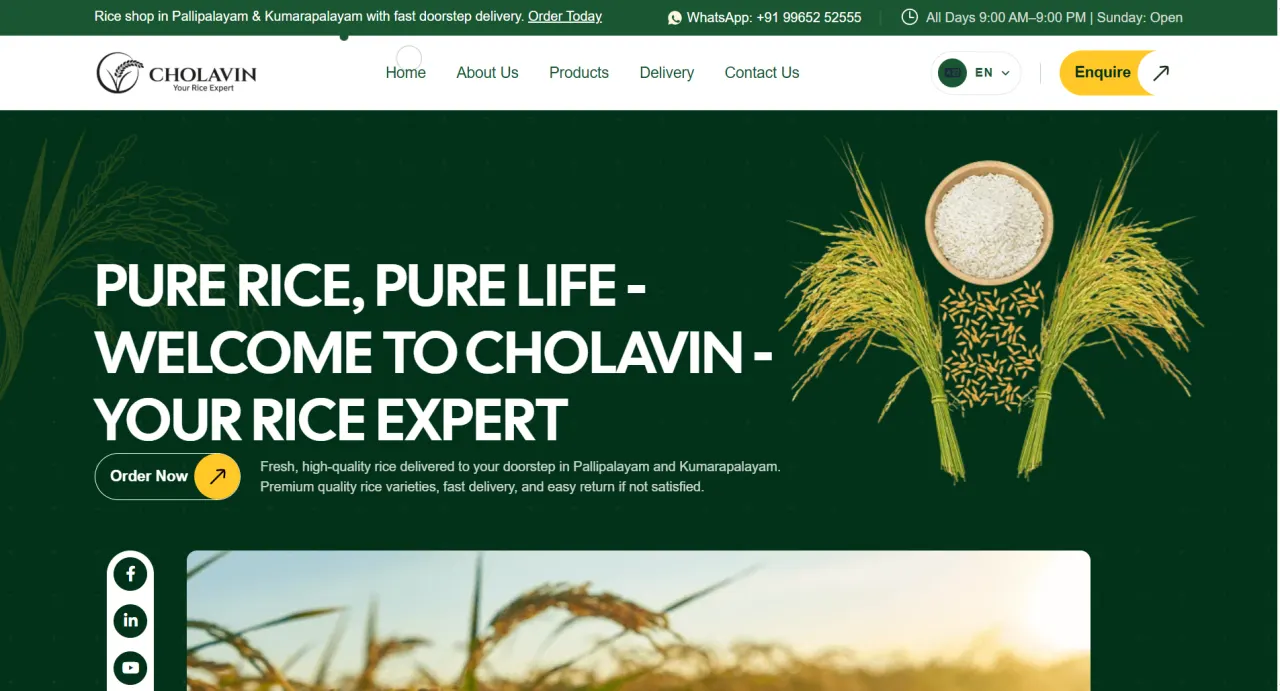
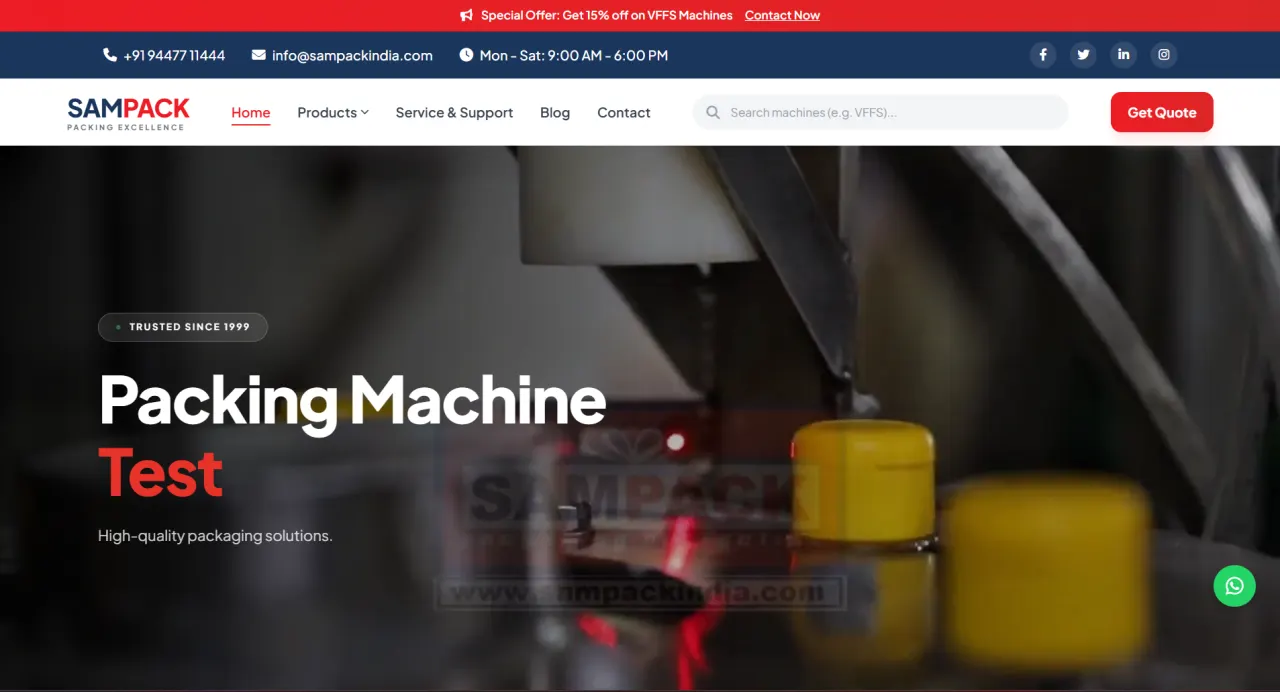
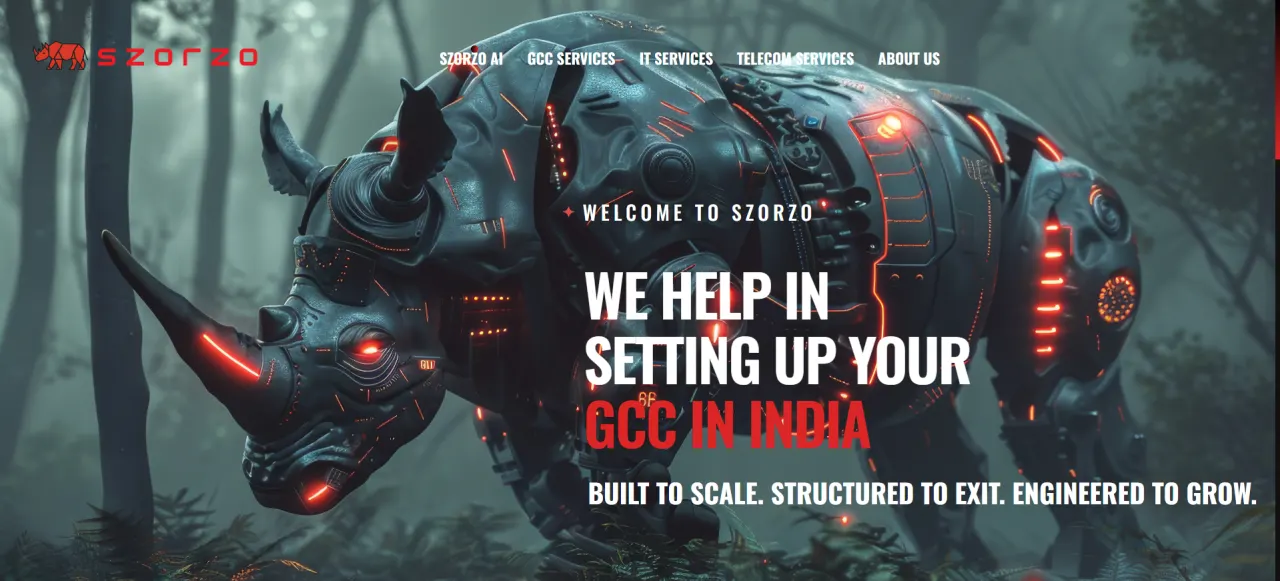
Branding & Identity Design: a practical approach for Thanjavur, Tamil Nadu
Thanjavur teams may serve local families, visitors, institutions, or trade buyers, requiring language and journeys suited to each audience. The strongest scope is the one that removes uncertainty for users and gives the business team a clear way to operate and improve it.
Inconsistent positioning, visuals, and sales material can make a capable business appear unclear or interchangeable. NextDNA uses this problem as the starting point, then recommends only the content, experience, technology, and promotion needed to support a credible decision journey.
What a focused scope can include
The exact plan is confirmed after discovery. For this audience, useful priorities may include the following:
- Brand discovery: Audience, competitors, value proposition, personality, and practical use cases clarified.
- Positioning and messaging: A concise narrative, message hierarchy, proof themes, and tone of voice.
- Visual identity: Logo system, colour, typography, imagery direction, and responsive identity use.
- Application guidelines: Usable rules and priority assets for web, social, proposals, packaging, or sales collateral.
Connecting local demand to useful customer journeys
Local relevance should add practical value rather than simply replace a city name. The page, campaign, or product must reflect who is buying, what evidence they need, and how the business can respond. Examples for this market include:
- Create a consistent message and identity system that agriculture businesses teams can apply across sales and customer touchpoints.
- Create a consistent message and identity system that education providers teams can apply across sales and customer touchpoints.
- Create a consistent message and identity system that tourism and craft enterprises teams can apply across sales and customer touchpoints.
Content priorities should reflect the language used by agriculture businesses while giving education providers enough detail to make a confident next decision. The experience for tourism and craft enterprises should reduce avoidable back-and-forth while still collecting enough context for a responsible response. It also gives sales and service teams a clearer basis for judging lead quality and prioritising the next improvement.
A transparent delivery process
- Audit the starting point: Review the current journey, data, assets, competition, and operational handoffs before prescribing work.
- Define the focused scope: Choose the audience, message, features, channels, and conversions that the first phase must support.
- Deliver in visible stages: Share structure, content, design, and implementation decisions early enough for useful feedback.
- Measure and iterate: Check quality and conversion evidence after release, then improve what limits user or team performance.
How progress is evaluated
Reporting should connect activity to business decisions. Relevant indicators can include message consistency, asset adoption, engagement with priority brand touchpoints, and sales-team usability feedback. Baselines, data quality, sales feedback, and review frequency are agreed before conclusions are drawn.
A stronger identity supports recognition and confidence, but market response also depends on the offer, customer experience, distribution, and consistent implementation. NextDNA therefore sets measurable priorities, documents assumptions, and reports what the evidence supports.
Plan the next step with NextDNA
If you are evaluating branding & identity design in Thanjavur, Tamil Nadu, share the audience, challenge, desired action, assets, and timeline constraints. NextDNA will recommend a practical first scope and explain what should be handled now, later, or not at all. Request a tailored proposal.